

CASE STUDY
Protect the Cure - tackling malaria drug resistance in Africa
A series about how the threat of emerging malaria drug resistance across sub-saharan Africa
Protect the Cure - a Campaign Series
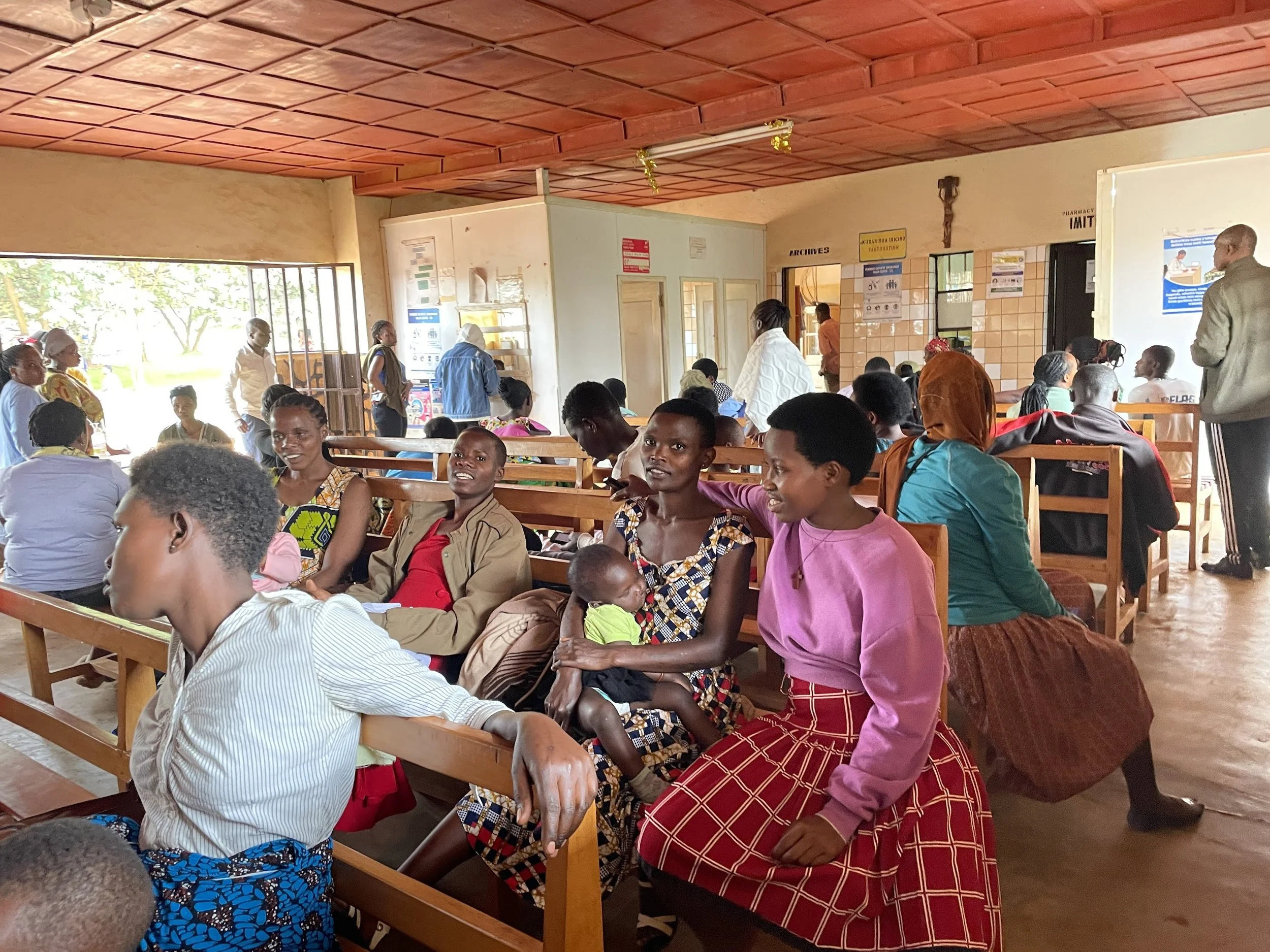
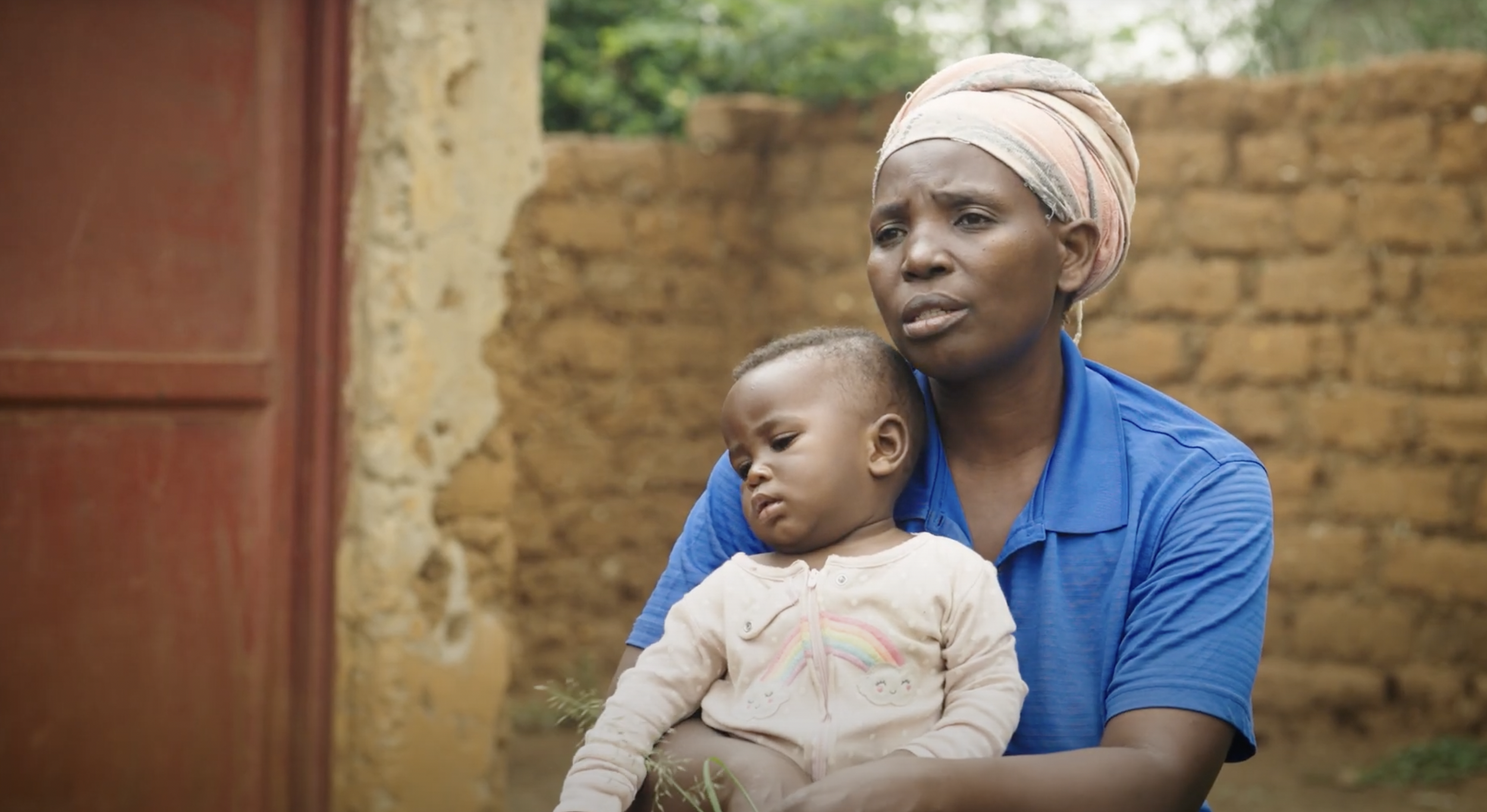
Sketch Films was asked to assist Normal Life Pictures in the production of a series of campaign films on the fast emerging threat of malaria drug resistance across sub-saharan Africa.
This involved filming in Congo Brazzaville, Rwanda and Kenya in early 2025 after pre-production in 2024. A small crew from the UK (Director and Producer) flew out to Rwanda where we worked with a highly experienced fixer in Kigali and a filmmaker from Tanzania.
The problem of malaria drug resistance in Africa is increasing and has the potential to reverse the recent progress in lowering mortality rates. It is a problem that can be stopped by switching the drugs used and tracking comprehensively all signs of resistance.
Follow the Protect the Cure youtube channel | Linkedin Page | Website
Client: Boni Lab at Temple University
Maciej Boni is a highly respected Epidimilogist and has worked on malaria and drug resistance for several years. Boni Lab is partially funded by The Gates Foundation.
Visit the Protect the Cure website
About the Series
Artemisinin, once the miracle cure for malaria, is losing its power. A silent threat is spreading across sub-Saharan Africa. If we act early, we can protect the cure, save millions of lives, and preserve decades of progress. #ProtectTheCure is a global advocacy initiative taking you inside the fight against partial resistance to artemisinin, the key ingredient in Africa's most effective malaria treatments. Through documentary films, educational resources, social media engagement, and community partnerships, we bring together the voices of scientists, health workers, families, and policymakers to explain what resistance means, why it matters, and what can be done now to stop it.
Presented by Temple University in Philadelphia, in partnership with Normal Life Pictures and Impact Santé Afrique
Chapter 1 - The problem of Malaria Drug Resistance
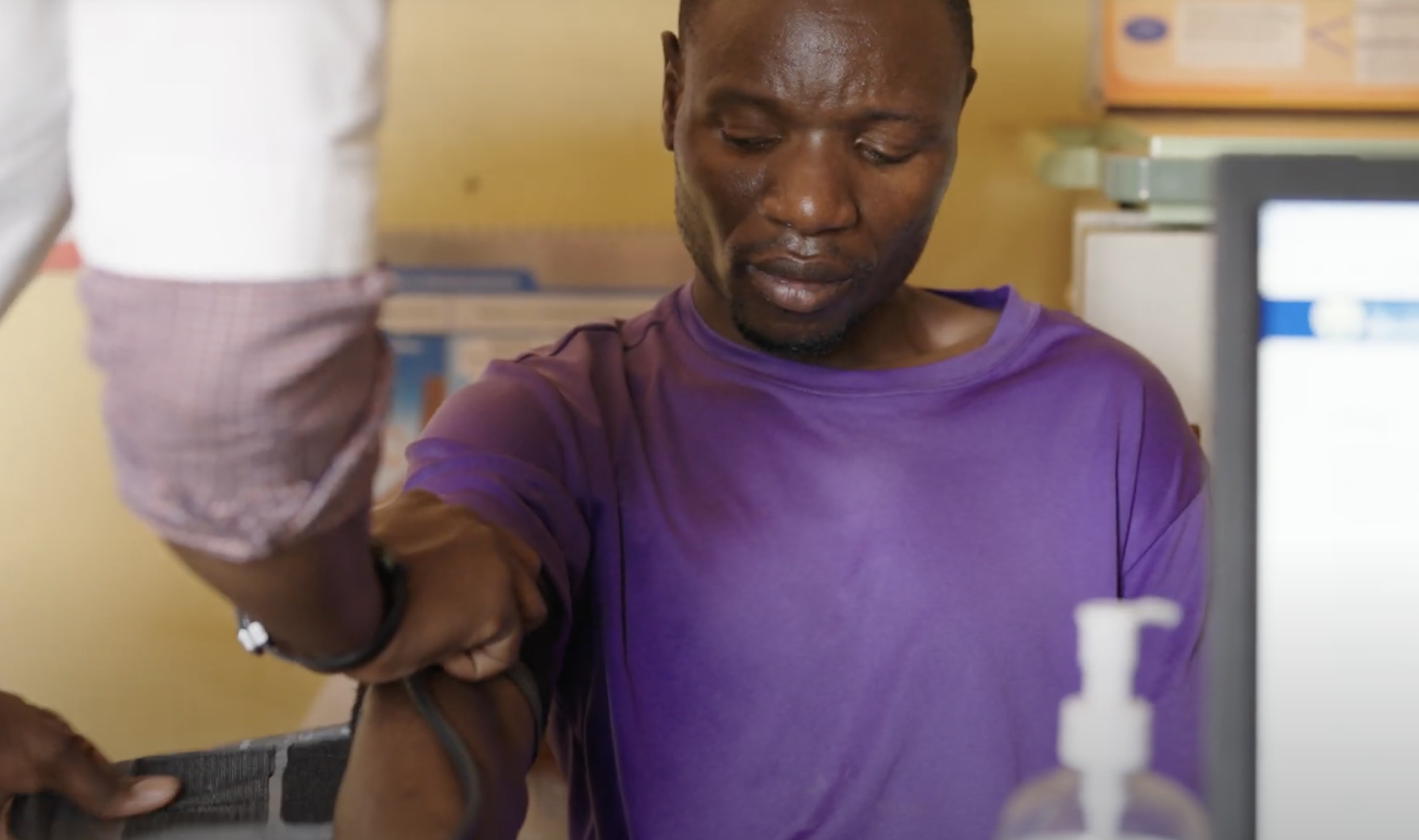
This video explains the increasing problem of malaria drug resistance across sub-Saharan Africa. Partial resistance is already present and has been identified in several countries. Malaria experts state what the risks are for all these countries where malaria is present.
Key Points:
Malaria treatment has relied on artemisinin-based combination therapies (ACTs). These drugs drove huge reductions in malaria deaths across Africa for years.
Partial resistance is emerging. Signs of resistance to artemisinin are now being seen in parts of East Africa (Rwanda, Uganda, etc.). That means parasites are less responsive to standard treatment.
This is a real threat. If resistance spreads, current treatments could fail, reversing decades of progress.
Chapter 2 - Patient’s Perspectives on Malaria Drug Resistance
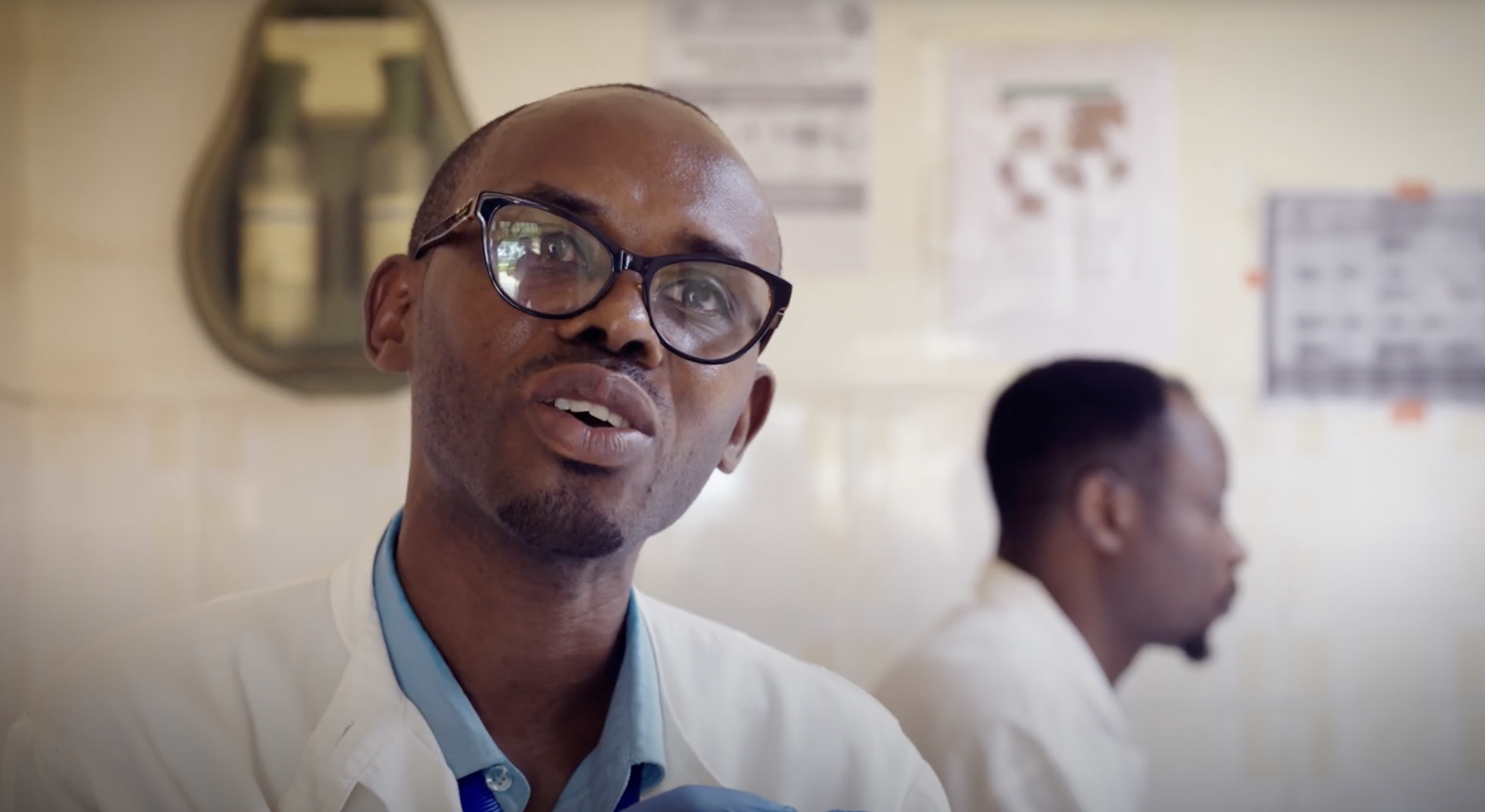
The video centres on real stories from patients and health workers in Rwanda about the emerging threat of partial resistance to artemisinin-based malaria treatments. It shifts the focus from abstract science to the lived experience of people on the ground.
Key points
Personal experiences: Mothers describe how their children do not clear malaria as quickly or reliably as they used to, requiring repeated treatments. This places emotional and financial strain on families.
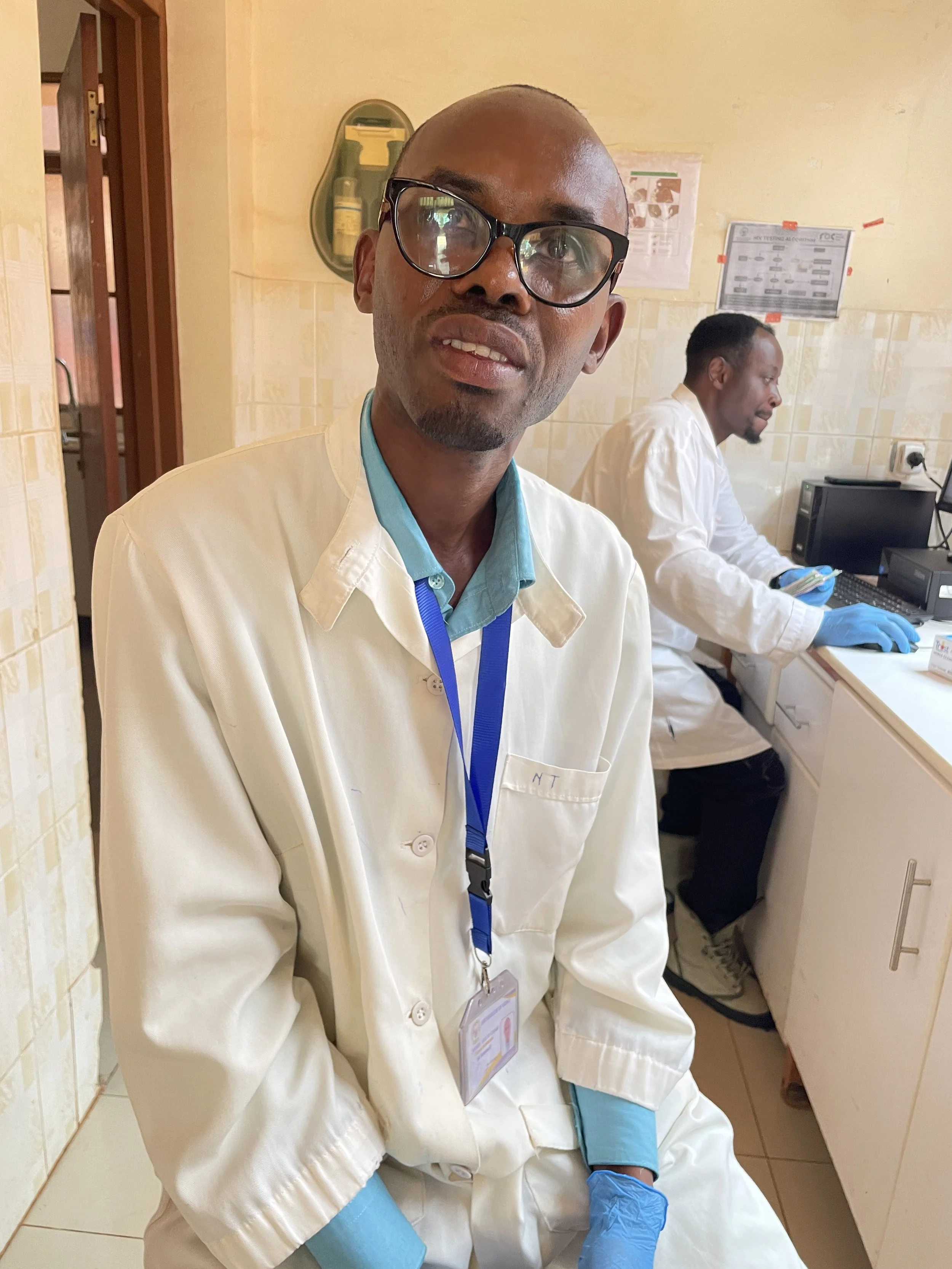
Healthcare worker insights: Clinic staff and community health workers speak about the frustration of limited treatment options and the stress of caring for patients when the standard drugs seem less effective.
Human cost: The narrative drives home that drug resistance isn’t just a clinical term. It translates into longer illnesses, more consultations, added costs, and fear in communities that have relied on artemisinin therapies for years.
Urgency: The stories make clear why protecting the effectiveness of current malaria treatments — by acting early on resistance — matters for both individuals and health systems..
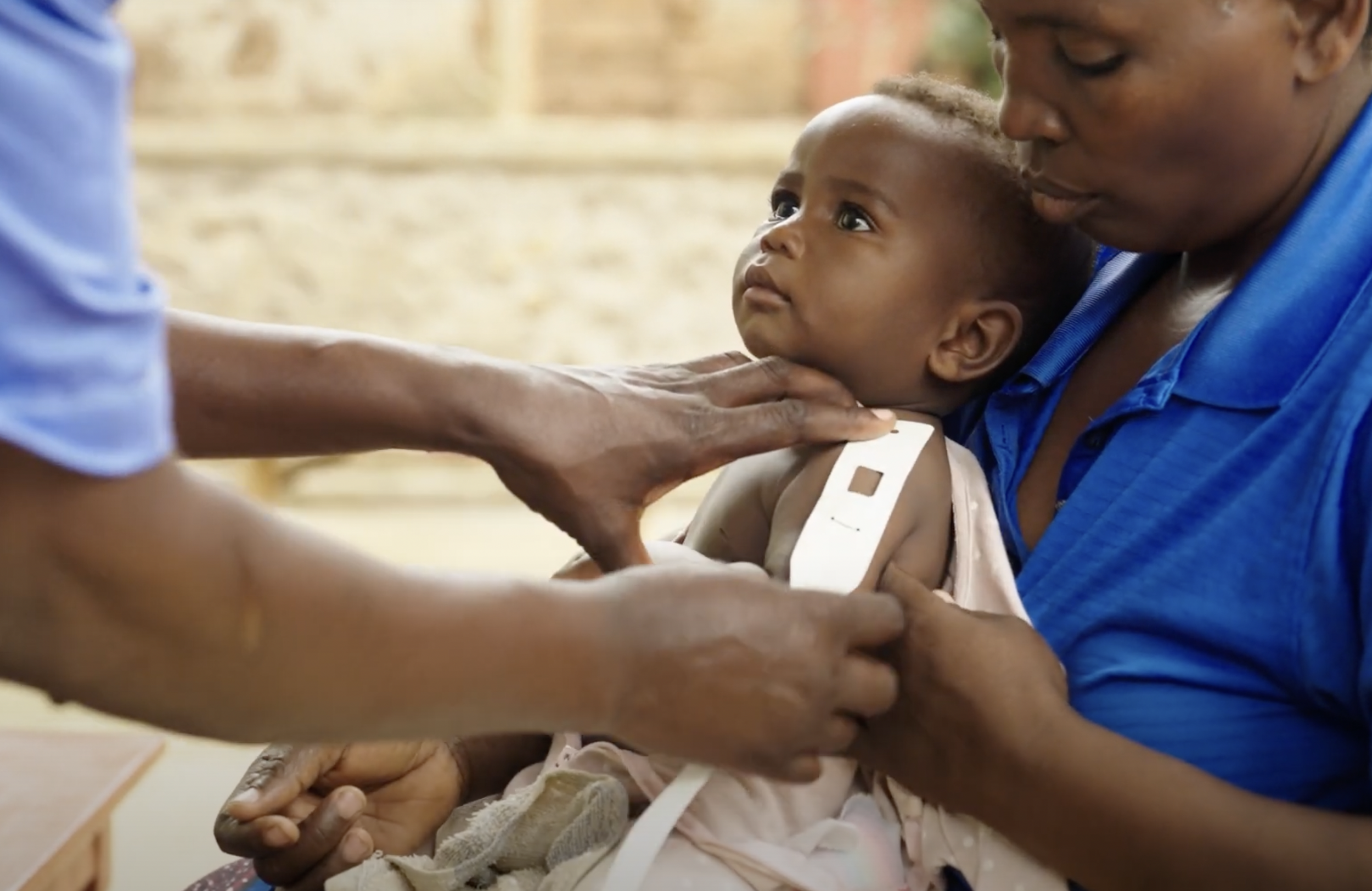
Chapter 3 - Solving the Malaria Drug Resistance Crisis
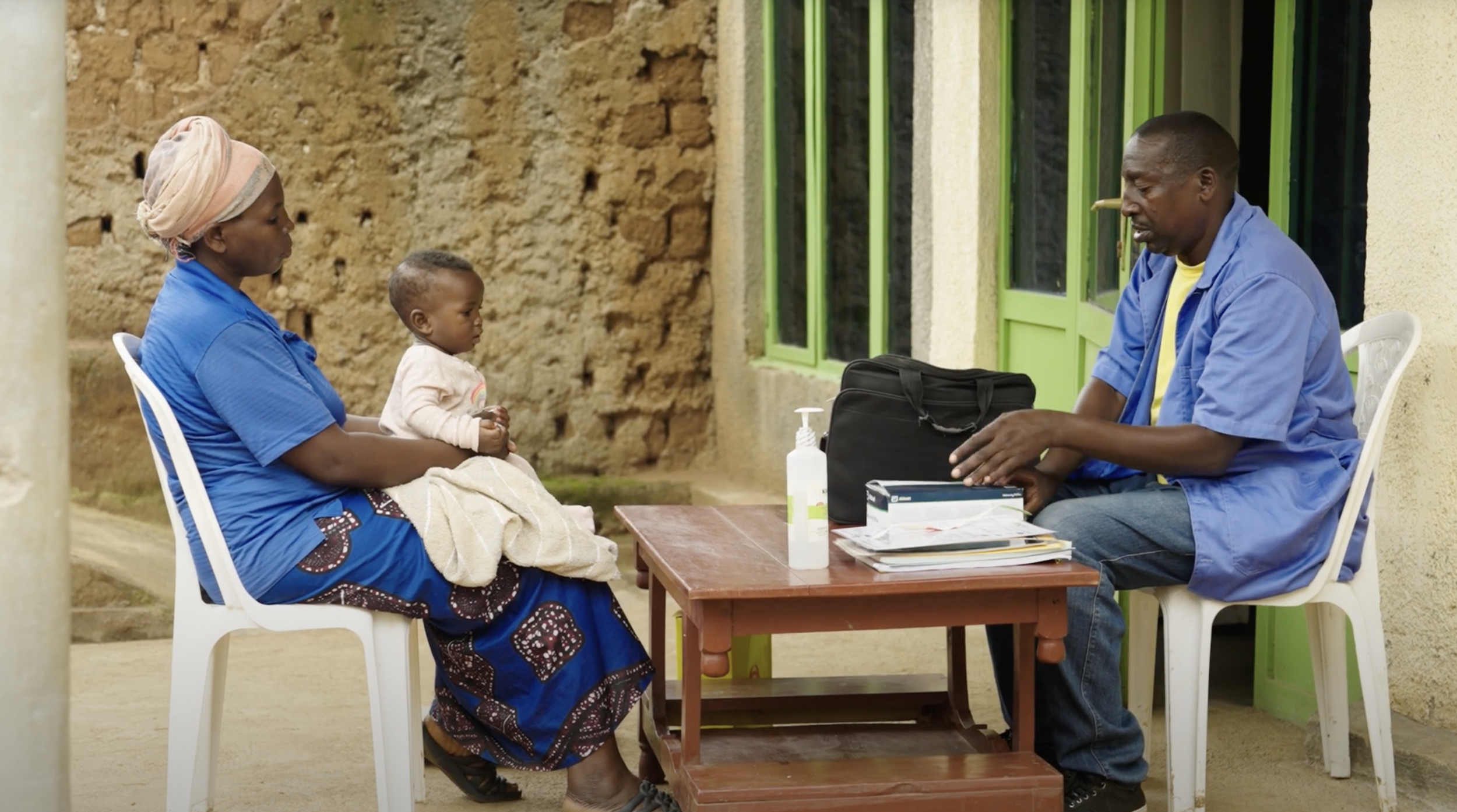
This video focuses on practical strategies public health leaders and experts advocate to address artemisinin drug resistance in malaria.
Key points:
Emphasises completing full malaria treatment courses to help slow resistance.
Highlights the need for surveillance, multiple first‑line therapies, and better diagnosis to preserve treatment effectiveness.
Features experts outlining actionable steps that clinics, policymakers, and communities can take now.
Frames drug resistance as a critical threat to malaria control progress, but one where concerted efforts can still make a difference
Chapter 4 - Ready for Change: A Guide to New Malaria Protocols
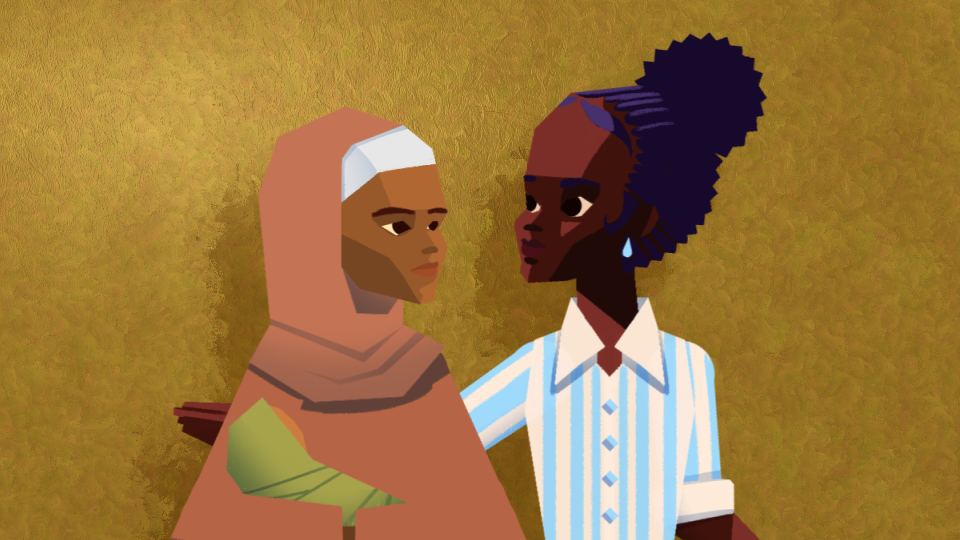
Animation: Protect the Cure
This video is a practical briefing for regional and clinic health managers about upcoming changes in how malaria is treated.
Focuses on new antimalarial treatment protocols being introduced in response to evolving drug resistance.
Aims to help healthcare leaders understand and implement updated guidelines in their facilities.
Stresses the importance of preparing teams and systems for the transition so patient care isnis not disrupted.
It details operational steps, decision-making, and key clinical practices needed to put the new protocols into action.
